
Looking after your mental health in turbulent times

It’s easy to feel overwhelmed by the nature of 24/7 news and social media, especially when times are turbulent. Coverage of everything from geopolitical events and conflicts, climate change and the growth of AI can all leave people feeling uncertain about the future and powerless to change anything.
These uncertain times that we live in can definitely have an impact on anxiety levels or your mental health in general. While you can’t change that, there might be things you can do to manage your own response to global events and not let those anxieties spiral.
What’s in your control?
If you feel helpless or powerless, focus on what at present is in your control – your routine, job, the support you have from family and friends, and the choices you can make, even if they are small, such as making social plans or a conscious decision to connect with others.
Limit your news intake - don't doom scroll!
If the constant news cycle is making you feel more and more anxious, you might want to ration yourself. Stay informed, but decide you will only watch the news, say, twice a day, or check your phone a certain number of times.
Don’t be tempted to doom scroll through your phone into the small hours of the morning.
Think about past times that have felt similar
Sometimes it is useful to cast your mind back to times in the past when you have felt similar levels of worry and anxiety, times when the world felt similarly uncertain. Covid can be a good example of a time that none of us went untouched by – but here we are, and we came through it.
Don’t under-estimate your resilience and strengths from those past times. Often we are much stronger than we give ourselves credit for.
Ground yourself in the present
It can be useful to use techniques to stay present and not let your mind run away to too many ‘what if?’ scenarios. Relaxation, breathing techniques, using distraction, music, walks, mindfulness – these can all be useful ways to stay in the present.
‘Worry time’ and reframing thoughts
As counsellors we often work with people who struggle with anxiety disorders or negative thought patterns. There are a number of counselling techniques we can use with clients to help manage these better.
One thing I often recommend is something that we call ‘Worry Time’ – although it might sound counter-productive! The idea is that the person sets aside 20 to 30 minutes a day to think about and address their worries, asking themselves if they can take action to solve the problem or use mindfulness to let them go. If a worry pops into their mind at another point in the day, they learn to acknowledge it is there but that they will deal with it later.
Studies show this technique is very effective in helping people to manage anxiety and prevent negative thoughts from overwhelming their day to day life (see further details below)
Another useful counselling technique is to learn to reframe thoughts. When I work with clients one of the things we sometimes look at is how you can train yourself to generate alternative answers or views. We might look at:
- What might they say to a loved one/friend if they were feeling scared/uncertain.
- When I have felt this way in the past, what did I think about that helped me feel better?
- Have I been in this type of situation before? What happened? Is there anything different between this situation and previous ones? What have I learned from prior experiences that could help me now?
Looking after yourself physically
Looking after your physical health is a key part of looking after your emotional or mental wellbeing. We always say that you can’t pour from an empty cup – so although it might sound obvious, things that you can do to look after your body will also benefit your mind.
Have a proper healthy sleep routine, exercise or get fresh air every day, and nourish your body with good food and hydration.
Talking to children
Sometimes, if you are a parent, the worries that you feel are wrapped up in the perceived impact on your children. As much as you might want to protect children from some of the harsh realities of an uncertain world, it’s probably better to talk to them factually than hide something altogether and run the risk of them getting (possibly wrong) information elsewhere.
If they learn from you that it’s OK to talk about difficult or scary things and answer their questions as best you can, you might minimise that risk. If you don’t have all the answers it’s OK to say exactly that.
Ask open questions, like what have you heard and how do you feel about it? Is there anything you want to ask me? Don’t dismiss their feelings. Just as you may feel worried or overwhelmed by things, they might too; acknowledging concerns together can be helpful for both parent and young person and can help stop those imaginations running riot.
Finally, remember help is available
Everyone feels worried or anxious sometimes. But if those feelings start to overshadow everything and make it hard for you to live life normally, or take pleasure in the things you usually enjoy, it might be time to talk to a professional.
LionHeart offers a helpline for RICS professionals all over the world. We have a team of trained and experienced support officers ready to listen and help, and we offer free professional counselling, including outside the UK through accredited counsellors worldwide, usually in a preferred language.
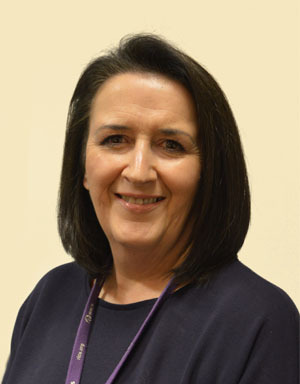
Bernadette Antoniou MBACP/BABCP is a counsellor and Cognitive Behavioral Therapist on the LionHeart support services team.
Find out more:
- LionHeart is here to support any RICS professional who has been affected by geopolitical events, conflict or natural disaster. Find all the ways to contact LionHeart here
- LionHeart counselling
- Find out more about ‘Worry Time’
- You might be interested in our recorded webinar, Understanding Anxiety