
Living with endometriosis
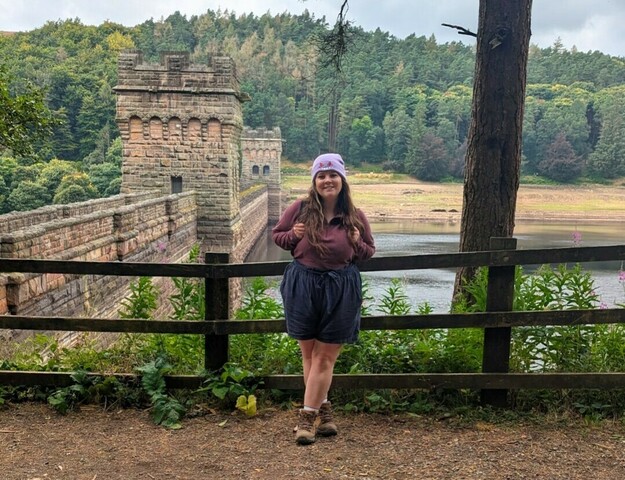
Unusually, it was severe pain in my shoulder that led to me eventually being diagnosed with endometriosis.
I was 30 when my symptoms progressed and that debilitating pain started my journey to getting a diagnosis. I had been on the contraceptive pill since 18 and decided to take a break not long after I turned 30.
Unbeknownst to me, the contraceptive pill had actually been managing my symptoms. When I came off it, each month during my period I endured pain in my right shoulder. I realised I had noticed it in the past, but it was always a dull ache I’d attributed to ‘sleeping funny’! I had never made the connection to my period until the pain got severe.
One month I had a really bad episode, where the pain was so bad it resulted in a trip to A&E.
The doctor I saw was stumped when I explained that the pain only occurs during my period. I was sent away with painkillers and a referral to my GP.
Then began appointments with a GP, who in turn referred me to a chiropractor. Unfortunately my appointment fell when I was not on my period and not in pain so they were not really able to help. Eventually, I was referred to the gynaecological unit at the local hospital and I was placed with a specialist who immediately recognised the symptoms as diaphragmatic endometriosis. This occurs when endometrial-like tissue grows on the diaphragm.
My Google searches had brought this up as a possibility and I understood from that research that it is very rare form of endometriosis – and so I breathed the biggest sigh of relief that they also identified it and I didn’t have to fight for a diagnosis.
I am very ‘lucky’ that this was over the span of around 6-12 months including hospital, GP, chiropractor, specialist and resulting hospital scans. Some women wait several years for a diagnosis of endometriosis.
"Some days I'd be unable to move due to the pain"
Luckily, the medication I am now on manages the condition very well. I am back to having a dull ache rather than debilitating pain.
However, prior to that management of the condition, I would be unable to move from bed due to the pain it caused. I am able to work from home, so some days I was able to make it to the desk but generally that was all I could do.
Being unable to get on with your day to day life without pain in the background is not only physically exhausting but can affect mental health.
Before my diagnosis, I didn’t know that much about it. I did a lot more research during the diagnosis journey but before that, I knew of the condition but not much about it.
I wish I had known more because it affects so many women and that needs to be recognised. I later got involved with Endometriosis UK, completing a fundraising challenge, and shared information on my social media to raise awareness.
The one thing I wish more people understood would be just how many women it actually affects, and the way it can impact daily life. It can be a difficult condition to manage, and having people around you understand the condition can only make it easier.
Having shared my story on social media, I had so many women reach out to me and I had no idea what they were coping with! I think it’s hard to understand the pain unless you have dealt with it, but knowing about the condition and not just the physical, but the mental and emotional impact it can have, can only serve as a positive for supporting those around you who may have the condition.
As for long-term management, I was referred for scans, but unfortunately the location of the lesions proved difficult to find on the scans. Ultimately, surgery was not considered appropriate for me at this stage due to the location; it was considered potentially risky and would require a number of specialists at the surgery. The specialist also confirmed that lesions can reoccur, so multiple surgeries at the chest cavity is not sensible.
Instead, with the specialist, we worked around best treatments which initially included nerve-blockers, but I actually ended up back on the birth control pill I’d been on for 12 years!
Discussing women's health as a female surveyor
Whilst working in the male-dominated surveying profession, I was office-based working in oversight and audit and my manager at the time was a woman as were many of my teammates. So I did find a lot of solace in being able to confide in them.
However, some of my male colleagues were also aware of what I had been going through and I think this is so important!
I can understand that it may be difficult to reach out and be open especially around discussing periods and menstrual health but, actually, being open about my condition meant getting the support I needed at the time.
I’ve noticed more discussion on social media around so-called ‘invisible’ health conditions and more awareness that you cant always see an illness or disability.
Ultimately, you don’t always know what someone is going through. I think the main thing I’d have to say is be kind, have compassion and be understanding – you honestly never know what someone is dealing with or the pain or discomfort they might be in.
Becca Daley AssocRICS has worked in surveying for 11 years, specialising in audit and oversight. She is currently completing her Masters in Building Surveying with a view to becoming chartered, and volunteers as a LionHeart ambassador.
You may also be interested in the following live webinar:
 Supporting Menstrual Health at Work
If you’re a woman in a male-dominated industry like surveying then dealing with debilitating conditions such as fibroids or endometriosis, or navigating perimenopause and menopause, can feel even more challenging.
Join our support officer Tracy Evans to find out how LionHeart can help, plus the latest changes in law that will affect how workplaces have to manage flexibility or reasonable adjustments.
- 14:00-15:00 16th July
- Book your space here