
Disability doesn’t have to be a barrier to a career in surveying
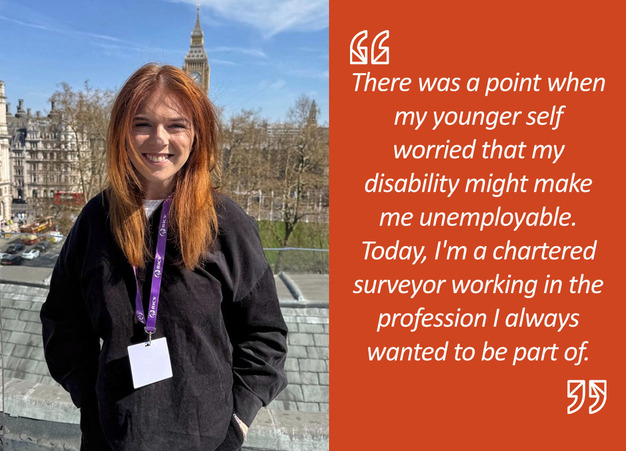
My name is Anna. I’m a Chartered Surveyor and I also have right-sided hemiplegia, a form of cerebral palsy.
My interest in property started when I was young. I grew up around properties being renovated. I loved being involved and found the whole process really interesting.
From quite early on, I knew that I wanted to work in property.
I was also very lucky to grow up surrounded by family and friends who never made me feel that my disability should be a barrier.
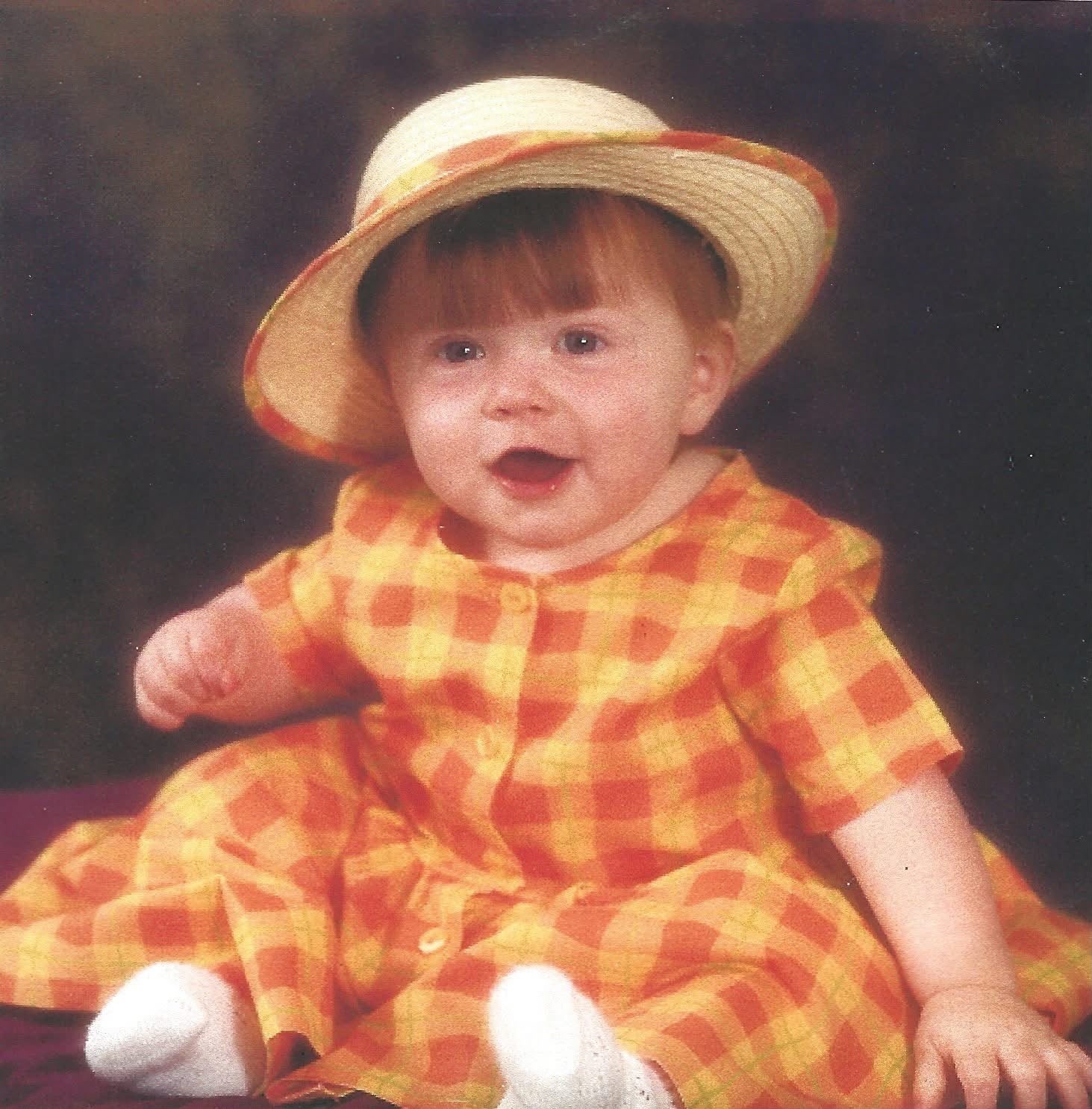 I was encouraged to pursue whatever I wanted to do, and I think that gave me a mindset growing up that there wasn't any reason I couldn't have the career I wanted (although there would be times later on I would question that).
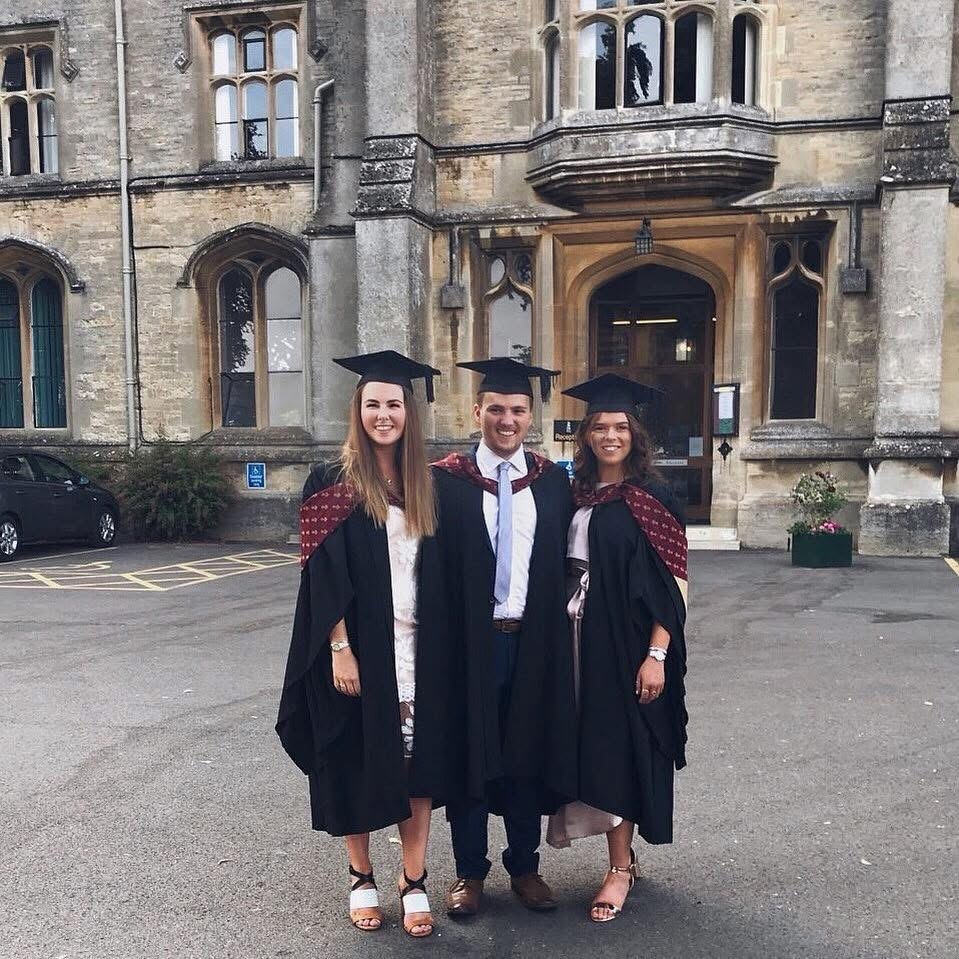
I went on to study Real Estate at university, which I really enjoyed.
It wasn't until I graduated and started applying for jobs and gaining work experience that I began to question whether surveying was actually going to work for me.
Suddenly, I became much more aware of the physical side of the profession. Inspections can involve measuring, drawing, carrying equipment and accessing environments that aren't always particularly accessible.
"I had a wobble and questioned whether I'd chosen the right career"
There were things I physically found difficult and, for the first time, I started to see my disability as a weakness.
I remember attending graduate assessment days and comparing myself with candidates who didn't have a disability. I worried that employers might be making the same comparison. Whether they actually were or not, that was how I felt at the time, and it really affected my confidence.
I had a bit of a wobble and genuinely questioned whether I had chosen the right career.
A work experience placement with a commercial property firm became a turning point. The Director gave me some very simple advice: I shouldn't be expected to do something I physically can't do when there are other ways of achieving the same outcome.
It sounds obvious now, but at the time I really needed to hear it.
It made me realise that I didn't need to change my career ambitions - I needed to find an environment where I could work in a way that suited me.
I went on to become chartered. There are still parts of the job that I approach differently to other people.
"With the right support, barriers can be managed"
Inspections, for example, can sometimes be difficult for me to undertake independently, particularly where they involve carrying equipment, measuring and drawing at the same time. With the right support, however, these barriers can be managed.
In many ways, I actually think my disability has given me attributes that help me in my career. Adaptability is probably the biggest one. I've spent my life adapting to environments and situations that weren't necessarily designed for me, so finding another way of doing something comes quite naturally.
It has also given me resilience, self-awareness and empathy. I know what I can do independently, where I might need support and what works for me.
I still struggle with self-doubt sometimes. But when I do, I try to think about how far I've come.
There was a point when my younger self genuinely worried that my disability might make me unemployable. Today, I'm working in the profession I always wanted to be part of, and I'm incredibly grateful for that.
I do think the profession has become more conscious of diversity and inclusion, but I would still love to see greater representation of those with physical disabilities. Personally, I don't know many other physically disabled surveyors. I know they're out there, and I'd genuinely love to meet more of them.
"Disability does not equate to less ability"
 I'd particularly like younger disabled people to see surveying as a career that is open to them. I know how daunting it can feel leaving university, applying for jobs and wondering whether there's really a place for somebody like you.
For colleagues working with somebody with a disability, my advice would be to be thoughtful, but don't make assumptions. Everybody is different. Create an environment where people feel comfortable asking for support, have the conversation if they're happy to have it and remember that somebody doing something differently doesn't make them less capable.
And for anyone with a disability or health condition considering a career in surveying, I'd say: don't rule yourself out because you're worrying about the barriers.
I nearly did.
Focus on what you want to achieve first. You can work out the adaptations and support you need along the way.
There may be things you need to do differently, but a disability does not equate to less ability.
Anna Herring has worked for the Valuation Office (now part of HMRC) since 2021, becoming chartered in 2024. She is also a board director of AbilityRE, a non-profit organisation that supports people with disabilities, neurodiversity, mental ill health, or long-term health conditions in the real estate and built environment sectors.