
World Mental Health Day: Real voices, real change
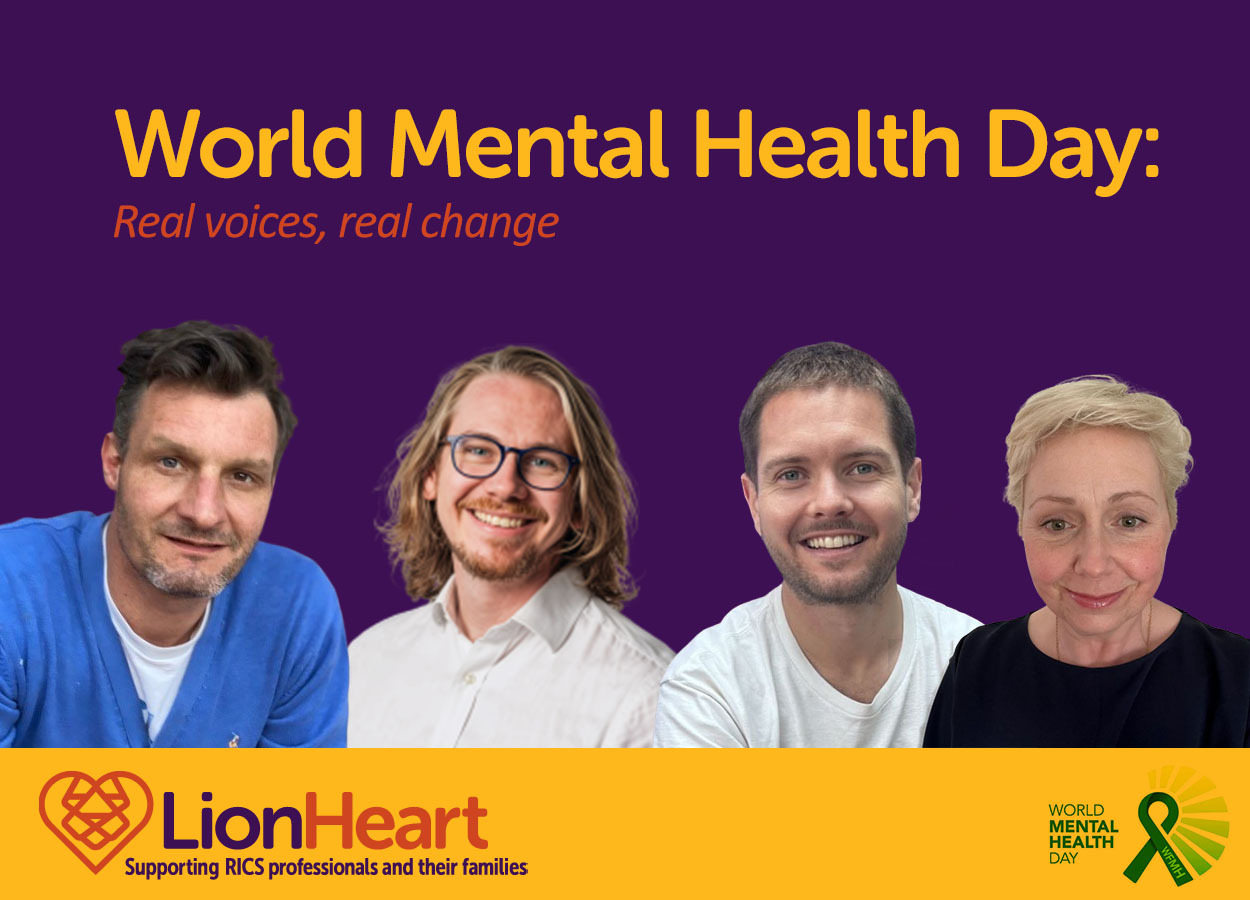
We all know conversations about mental health can make a difference. They can help people who might be struggling in silence realise they can open up and get support, and better understanding can also help us to be kinder to each other (and ourselves).
One of the main aims of LionHeart’s early mental health ambassador programme was to create more openness around the subject and we're so grateful to all those who have helped us to do this over the years – hopefully contributing to change in attitudes and understanding within the surveying profession.
LionHeart wellbeing projects manager Jo Grant – who started the mental health ambassador programme – said: “Even from the start, now around 9 years ago, it became clear how powerful it was when people shared their own stories. Nearly every time an ambassador spoke at an event, shared their thoughts in blogs or on social media, another potential ambassador came forward who wanted to support our work around mental health or share their own story.
“Even more importantly, so many more people got in touch with the helpline and said it had been the catalyst they needed to ask for help themselves.”
As the theme of this year’s World Mental Health Day is ‘lived experiences heard: real voices, real change’, we asked some of our ambassadors what the impact of sharing their own personal experiences had been, for themselves and others.
Paddy
I’m pretty much an open book when it comes to being an alcoholic and my experiences with both good and poor mental health. I’m 11 years sober and, over the years, I’ve spoken openly about both whether that’s through social media, podcasts, conversations at work and as a mental health ambassador.
I made a decision a long time ago that I wasn’t going to hide those parts of my life. They are part of who I am but don’t define me and if talking about them can help somebody else, then I’m happy to share my experience.
I have found sharing my truth to be cathartic, but the thing that has had the biggest impact on me is what happens afterwards, when people have reached out privately and told me about what they are going through. Above all else, it has taught me that we have no idea what somebody else might be carrying and judgement can be very dangerous.
I’m glad I’ve been open about my experience, as being an alcoholic and struggling with my mental health at different points in my life doesn't make me less ambitious, less capable or less able to do my job. I can have a senior career, be a husband and a dad - and still have struggled at times. All of those things can and do exist at the same time.
I also think it has changed me as a person and as a leader (how can it not!?). I’m definitely more aware of what might be going on behind the person you see at work every day or the friend who is suffering in silence, because I know how different things can look from the outside compared with what is actually happening. I have lived it and there are signs if you know what to look for.
However, I certainly don't have all the answers. I still have to work at my sobriety and I still have difficult periods with my mental health. That is exactly why I think it is important to keep talking.
Adam
Sharing my experience publicly was a big step for me. For most of my life, my instinct had been to suppress the trauma that had happened to me and carry on as though everything was fine. So there was something quite powerful about eventually reaching a point where I could talk openly about my experience of PTSD, my breakdown and returning to work.
I did find sharing my story cathartic, but I think the biggest impact came afterwards. The response was overwhelmingly positive, and I was surprised by how many people reached out to me privately.
I also think sharing my experience has changed what came next for me. It has helped give a sense of purpose to something that was incredibly difficult. Becoming a LionHeart ambassador and being able to use my experience to support others means that something which once felt like it had only taken things away from me can now, in a small way, be used to give something back.
The positive experience of sharing my story has also given me the confidence to share in other areas of my life. I am one of the captains for a local football team, and I am currently working on ways that as a club, we can help support the mental health of the young men in our team.
If being open about my own experiences can make it easier for even one of my teammates to speak up when they are struggling, then sharing my story will have been worthwhile.
Owen
Sharing my experience with mental health made it real and allowed me to move on - like by naming the monsters under your bed, it makes them less scary. It was very difficult at first, but it became easier when I found out that other people have similar problems.
My experience was particularly pointed but knowing that other people didn’t think less of me for it was a huge turning point – and in fact many people called me brave, which I didn’t like to hear at the time because I didn’t feel brave, I felt like my life had been kidnapped.
But looking back at it now, I suppose getting through anything that causes such trauma takes courage. Standing up at events, speaking on video or writing blogs about it can feel daunting at the time, but it helped me get to the next chapter of my life.
Caroline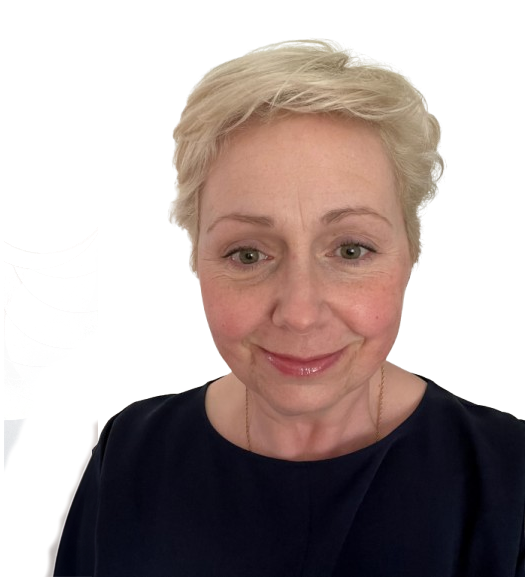
My own mental health story began when I was handed a tiny, unexpectedly very poorly baby. As that baby now approaches his 18th birthday, I can still recall all those feelings of loneliness, shock and grief, as well as the period that followed when I became acutely mentally unwell.
When I first spoke publicly about those experiences – now getting on for 9 years ago – I liked the idea of being able to help someone going through something similar, that it might give people comfort or hope that it is possible to get through even those most difficult of times.
Looking back now, at that time very few RICS members had spoken like that about that kind of lived experience. I was pleased to help show perhaps a more human side to the profession – the personal behind the professional. I never had any negative feedback, people seemed surprised but appreciative and it raised my confidence to keep talking about mental health, and keep signposting to LionHeart.
When I later joined LionHeart as a trustee, it really targeted my focus on what I could bring to the board. Fundamentally LionHeart is there to help people through the bad times, and now as the lead trustee for the support services team it is a privilege to think my experiences and understanding can play a part in that.
Read more:
- Read Paddy's blog, How alcohol almost cost me everything
- Read Adam's blog, My 'weaknesses' are my greatest strength
- Read Owen's blog, The one about the Bipolar surveyor
- Read Caroline's blog, When the reality of motherhood doesn't quite go to plan
- Find out more about LionHeart's mental health support